
The Ultimate New Homeowner Checklist What to Tackle in Your First 90 Days
Purchasing a home represents one of the most significant milestones in an individual’s life. The excitement of holding the keys for the first time is unmatched, yet it often comes with a wave of unexpected responsibilities. Moving from the initial closing table to a fully functioning, comfortable living environment requires deliberate planning. The first three months are critical for establishing safety routines, understanding core systems, and preventing expensive future repairs. Many buyers find themselves overwhelmed by the sheer volume of tasks demanding attention during this transition phase. Having a structured timeline helps split these responsibilities into manageable milestones. By focusing on specific objectives during the first ninety days, property owners can safeguard their financial investment while turning a new property into a reliable sanctuary. This guide details exactly how to navigate this initial window with confidence and precision. Early days involve unpacking boxes and ensuring that professional movers place items in the correct rooms. Once the initial chaos of boxes settles down, the real work of home preservation and optimization begins.
Stepping into an empty house offers a blank canvas, but it also reveals small imperfections that were easy to miss during a brief open house walkthrough. A loose railing, a faint drip under the kitchen sink, or an erratic thermostat can quickly dampen the initial joy of ownership if left unaddressed. Rather than trying to fix everything in a single weekend, successful homeowners adopt a marathon mindset. They realize that a property is a dynamic system where the exterior shell, mechanical core, and interior components must work in harmony. Prioritizing tasks based on urgency prevents burnout and ensures that financial resources are allocated where they matter most. This structured ninety-day roadmap provides a logical progression from immediate safety requirements to long-term aesthetic improvements, helping anyone transition smoothly from a casual buyer to an effective property steward.
Days 1 to 30: Securing the Perimeter and Core Essential Systems

The initial thirty days in a new property should focus almost entirely on safety, utility function, and emergency preparedness. Before unpacking every single decorative item, the absolute priority must be ensuring that the home is secure and that fundamental utilities operate without interruption. Changing the exterior door locks should happen on the very first day, as it is impossible to know how many spare keys were distributed by previous residents, contractors, or real estate agents. Simultaneously, smoke detectors and carbon monoxide alarms require testing, and batteries should be replaced regardless of their apparent condition. Locating the main water shut-off valve and the electrical breaker panel is another task that cannot wait, because finding these components during an active emergency is a recipe for disaster. Homeowners should clearly label every breaker switch to avoid confusion later.
Beyond these basic security steps, a deep inspection of the property’s primary mechanical components prevents sudden operational failures. Water lines and drainage systems deserve immediate scrutiny to catch hidden issues before they escalate into structural rot or mold. New owners frequently benefit from scheduling professional plumbers to perform an initial diagnostic assessment of the entire waste and supply system, verifying that valves turn smoothly and no slow leaks exist behind fixtures. This proactive step ensures that water pressure remains optimal, hidden drains flow freely, and expensive appliances like water heaters operate efficiently without risking sudden basement flooding. Addressing minor pipe corrosion early saves thousands of dollars down the road.
Climate control is another system that requires immediate inspection during this first month. Heating and cooling systems are the workhorses of residential comfort, and unexpected breakdowns can be both miserable and costly depending on the season. Hiring an experienced HVAC company within the first few weeks allows for a thorough cleaning of coils, calibration of thermostats, and replacement of old air filters. These technicians can also verify the integrity of the ductwork, check for carbon monoxide leaks in gas furnaces, and estimate the remaining lifespan of the furnace or air conditioning unit. Taking care of these foundational items within the first month gives residents peace of mind, knowing that the structural backbone of their daily life is secure, functional, and operating at peak efficiency before extreme weather arrives.
Days 31 to 60: Optimizing Interior Systems for Daily Living

Once the initial month passes and the immediate safety protocols are firmly established, the focus shifts toward improving everyday efficiency, convenience, and long-term utility management. This second phase involves addressing issues that affect daily comfort but were perhaps not urgent enough for day one. Homeowners begin to notice the nuances of their living space during this period, such as which outlets lose power or where internet connectivity drops. It is an excellent time to upgrade lighting fixtures, add smart home features, or install dedicated lines for heavy appliances. Handling complex wiring projects requires specialized expertise to avoid safety hazards, meaning that a professional electrical installation is often necessary to update outdated panels or add modern ground-fault circuit interrupter outlets in moisture-prone areas like kitchens and bathrooms. Modernizing these systems reduces fire hazards and ensures the home meets current electrical codes.
During this second month, property owners should also pay close attention to the quality of the utilities coming directly into the structure. Water quality varies drastically depending on the local municipality or private well systems, affecting everything from skin health to the longevity of appliances. Implementing a comprehensive home water filtration setup can eliminate harsh minerals, chlorine odors, and heavy metals before they reach faucets. This type of upgrade protects expensive infrastructure like water heaters, dishwashers, and washing machines from internal scale buildup, which significantly extends their functional lifespan. Cleaner water also improves the taste of drinking water and reduces reliance on single-use plastic bottles, saving money over time.
Additionally, this middle phase is the ideal time to create a comprehensive digital inventory of all household assets for insurance purposes. Walking through each room with a camera or smartphone to document appliances, electronics, and valuable furnishings provides essential documentation if an unexpected disaster occurs later. Owners should also establish a regular monthly maintenance schedule during this window, setting reminders to test garage door safety sensors, clean range hood filters, and clear lint from dryer vents to maintain optimal safety protocols. Organizing user manuals and warranty information in a single, accessible binder or digital folder saves hours of frustration when an appliance eventually requires servicing.
Days 61 to 90: Enhancing the Exterior and Structural Integrity
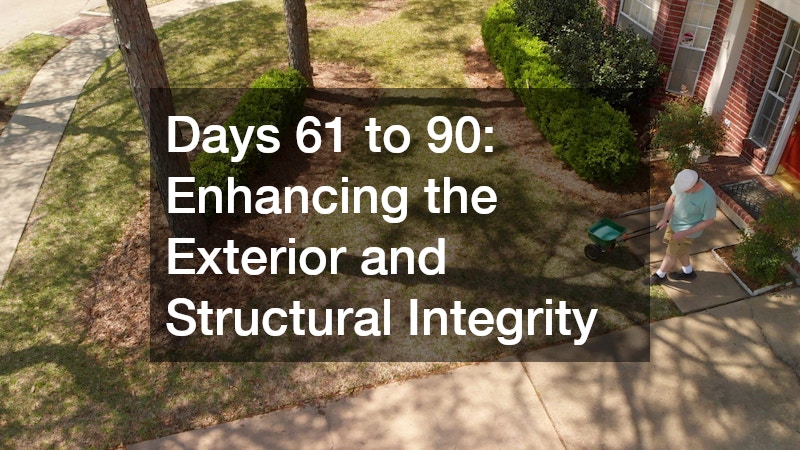
The final month of the initial ninety-day window transitions attention from the internal mechanics to the outer envelope and surrounding property. Curb appeal and exterior stability play massive roles in maintaining a property’s overall market value and preventing external elements from causing internal damage. Neglecting the outside of a house can lead to foundational shifting, water intrusion, or disputes with local municipalities over code violations. Taking care of the perimeter ensures that the property remains a safe, welcoming space for both residents and visitors alike.
Vegetation and soil management should head the exterior checklist as the third month arrives. Overgrown trees with limbs hanging over the roofline pose an immediate hazard during severe storms, while unmanaged root systems can crack nearby concrete pathways or underground sewer lines. Engaging a knowledgeable landscaper to evaluate the health of existing flora ensures that plants do not compromise the structural components of the house. These experts can prune dead wood, suggest native species that thrive in the local climate, design low-maintenance flower beds, and ensure that soil beds slope away from the concrete foundation to prevent water pooling in crawlspaces.
Security and property boundaries also require attention during this final stretch of the initial move-in period. Clearly defining the perimeter of the lot helps establish privacy, secures domestic pets, and creates a clear barrier against intruders. Investing in professional fence installations provides an immediate sense of seclusion and elevates the visual appeal of the entire yard. Choosing the right materials, whether durable vinyl, classic cedar, or modern aluminum, requires matching the architectural style of the home while adhering to local zoning laws and homeowners’ association regulations. A well-placed barrier also reduces noise from adjacent properties and provides a safe area for children to play.
During this phase, it is also useful to inspect exterior drainage systems, including gutters and downspouts. Ensuring that rainwater moves efficiently away from walkways prevents soil erosion and basement flooding. Homeowners must clean out any debris that accumulated in the gutters during recent seasonal shifts, verifying that downspout extensions discharge water at least six feet away from the foundation walls. Inspecting the grading around patios and driveways ensures that heavy downpours will not flow backward toward the main structure.
Protecting the Investment: Roofs and Long-Term Maintenance
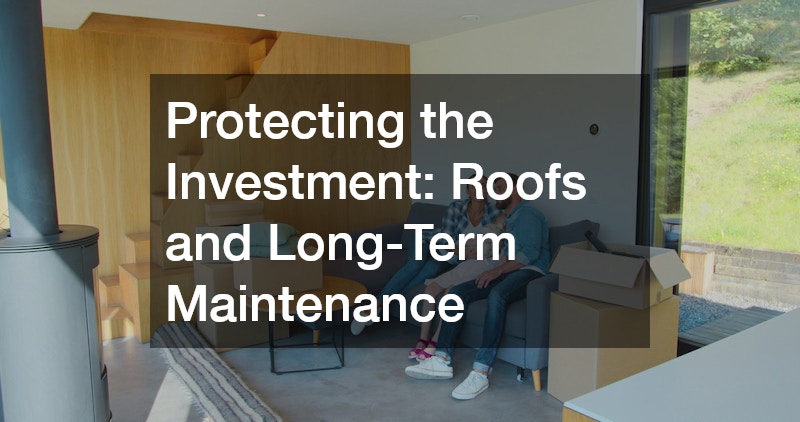
A home’s exterior defenses are only as strong as its highest point. The roof bears the brunt of every weather event, from scorching summer sun to freezing winter ice. Even a tiny, unnoticed leak can slowly destroy insulation, rot rafters, and create perfect breeding grounds for hazardous mold inside the attic space. New owners should prioritize an overhead inspection within the first ninety days to catch minor wear before it transforms into a catastrophic expense. Working with a qualified residential roofer ensures that missing shingles, compromised flashing around chimneys, and worn vent boots are identified and repaired immediately. This professional assessment provides an accurate estimate of the roof’s remaining operational life, allowing owners to budget accurately for future replacements rather than being caught off guard.
Simultaneously, the overall health of the lawn and surrounding green spaces requires a cohesive, ongoing maintenance strategy to ensure the investment thrives. Proper lawn care involves far more than simply running a mower over the grass every few weeks; it requires understanding soil chemistry, core aeration, weed management, and targeted fertilization cycles. Utilizing professional landscaping services allows property owners to hand over the complex management of turf health, weed control, and seasonal cleanups to trained specialists. This ongoing care preserves the aesthetic value of the neighborhood while ensuring that turf diseases or destructive pest infestations are neutralized before they spread across the entire yard.
Establishing a consistent schedule for these exterior obligations prevents important tasks from slipping through the cracks during busy times of the year. For example, scheduling an annual structural evaluation ensures that minor structural wear never escalates into a major leak. Similarly, clear boundaries must be maintained through regular gutter clearings to protect the foundation from unwanted moisture runoff. Regular attention to lawn health during the changing seasons guarantees a vibrant landscape, while trimming larger branches every few years maintains proper clearance over the structure itself. Documenting these timelines in a master calendar helps homeowners manage their maintenance budget effectively without experiencing unexpected seasonal surprises.
Outdoor Spaces and Permanent Transformations
As the ninety-day mark approaches, the focus naturally expands from basic preservation to permanent structural enhancements that elevate the lifestyle potential of the property. Extending the functional living space beyond the interior walls allows homeowners to enjoy outdoor dining, entertainment, and relaxation. Creating these functional zones requires durable, well-engineered structures that withstand weather fluctuations and natural soil movement over time. Hiring an experienced hardscaping contractor to design and install stone patios, retaining walls, or brick walkways transforms ordinary backyards into sophisticated outdoor living rooms. These permanent structures add substantial equity to the property while solving practical issues like soil erosion or uneven terrain.
When planning these long-term outdoor upgrades, it is vital to synchronize structural changes with utility locations. Before any excavation begins for patios, walkways, or retaining walls, the local utility marking service must identify underground lines to prevent catastrophic damage to gas, electrical, or water systems. Furthermore, integrating proper drainage pathways into any hard surface design ensures that heavy rainfall does not collect near the home’s foundation or create pooling zones on a neighbor’s property. This careful coordination ensures that new outdoor features remain stable, functional, and beautiful for decades to come, providing an excellent return on investment.
Ultimately, managing a home requires patience, planning, and steady effort. Following a ninety-day roadmap ensures that the property remains safe, comfortable, and valuable for years to come.