
Improving Your Homes Appearance Through Regular Maintenance

Maintaining a home’s appearance involves more than occasional cleaning or decorating. Regular upkeep helps preserve exterior materials, protect interior finishes, and prevent small problems from becoming expensive repairs. From refreshing paint and organizing outdoor areas to addressing moisture issues, consistent attention can make a noticeable difference in how a property looks and functions.
Homeowners can often avoid major renovations by identifying wear early and following a practical maintenance schedule. Understanding which tasks require routine attention and which need professional assistance makes it easier to keep a home looking its best. With a proactive approach, homeowners can maintain a welcoming environment while protecting their investment.
Refresh Exterior Surfaces to Create a Lasting First Impression

Inspect Painted Surfaces and Address Peeling or Fading
Exterior paint protects building materials from sunlight, moisture, and changing temperatures. Over time, it may fade, peel, crack, or blister, particularly on surfaces exposed to harsh weather. Regular inspections help homeowners identify deterioration before it spreads.
Walk around the property twice a year and examine siding, trim, shutters, doors, and porch railings. Pay particular attention to areas near windows and rooflines, where moisture can collect. Peeling paint may indicate that the coating has deteriorated or that moisture is affecting the material underneath.
Small problems may only require scraping, priming, and touch-up paint. However, widespread damage may call for a complete repainting project. An experienced exterior painting contractor can assess surfaces, recommend suitable coatings, and prepare materials properly before applying a new finish.
To maintain painted surfaces:
- Remove loose paint and dirt before repainting.
- Repair cracks and damaged caulking.
- Allow surfaces to dry before applying paint.
- Choose products suited to the material and climate.
- Inspect painted areas regularly for deterioration.
Refreshing a front door or window trim can also improve curb appeal without requiring a major project.
Clean Siding and Repair Visible Damage
Siding collects dirt, pollen, and environmental pollutants that gradually discolor exterior walls. Algae and mildew may also develop in shaded or damp areas.
Choose cleaning methods appropriate for the siding material. Gentle washing may be sufficient, while excessive pressure can damage finishes or force water behind panels. During cleaning, check for dents, cracks, loose sections, and deteriorating caulk.
When siding is extensively damaged or outdated, aluminium siding installation may be worth considering. Compare durability, appearance, maintenance requirements, and installation costs before selecting replacement materials.
Keep Outdoor Areas Clean, Organized, and Inviting
Establish a Consistent Cleaning Routine
A clean exterior creates a positive first impression and helps prevent dirt and debris from damaging building materials. Windows, walkways, driveways, gutters, and exterior fixtures all benefit from regular attention.
Create a routine that includes:
- Washing accessible windows and exterior doors.
- Sweeping porches, steps, and walkways.
- Clearing leaves and debris from gutters.
- Cleaning outdoor light fixtures and house numbers.
- Removing weeds between paving stones.
- Addressing stains before they become difficult to remove.
An exterior cleaning service can help with stubborn buildup, large surfaces, and areas that are difficult to reach safely. Professionals can also recommend appropriate cleaning methods for different materials.
Avoid using the same products and techniques everywhere. Painted wood, concrete, vinyl siding, and natural stone may react differently to cleaning solutions. Test unfamiliar products on a small area first to help prevent discoloration.
Regular cleaning also makes it easier to notice problems such as cracked caulking, damaged paving, and deteriorating finishes.
Maintain Functional and Attractive Outdoor Spaces
Neglected furniture, overgrown plants, and damaged surfaces can make outdoor areas look uninviting. Routine maintenance keeps patios, decks, and porches comfortable and visually appealing.
Remove clutter, arrange furniture to maintain clear walkways, and clean cushions according to their care instructions. Trim shrubs, remove weeds, and keep plants from obstructing windows or trapping moisture against siding.
Homeowners can improve their outdoor living spaces through simple projects:
- Refresh planters with seasonal flowers.
- Clean and maintain decking as recommended.
- Repair loose pavers and damaged steps.
- Replace broken outdoor lighting.
- Store garden tools and hoses neatly.
- Maintain fences, gates, and railings.
These improvements do not require a large budget. Consistent cleaning and minor repairs can make outdoor areas feel more organized while helping furnishings and building materials last longer.
Prevent Moisture Problems Before They Affect Interior Finishes
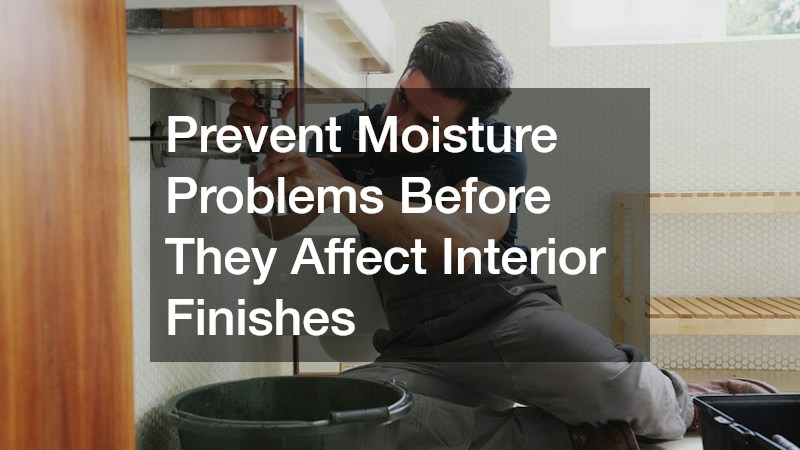
Identify Early Signs of Water Intrusion
Water damage can cause stains, peeling paint, warped flooring, and deteriorating drywall. Leaking pipes, roof damage, clogged gutters, and poorly sealed windows are common sources.
Inspect ceilings, basement walls, window frames, and cabinets beneath sinks. Yellow stains, musty odors, bubbling paint, and swollen materials may indicate moisture problems. Check that downspouts direct water away from the foundation and that the surrounding ground slopes away from the house.
When significant water intrusion occurs, water remediation may be necessary to address affected materials and support proper drying. The response depends on the water source and the extent of the damage.
After discovering a leak or flooding, homeowners should:
- Stop the water source when safe.
- Document visible damage.
- Arrange an assessment of affected areas.
- Remove standing water and dry materials appropriately.
- Replace materials that cannot be safely restored.
- Repair the underlying problem before repainting.
Painting over damp surfaces may temporarily conceal discoloration, but stains can return if the source of moisture remains unresolved. Addressing the cause first helps protect the home’s appearance and condition.
Improve Ventilation and Address Mold Concerns
Excess indoor humidity can contribute to condensation, musty odors, and mold growth. Bathrooms, kitchens, basements, and laundry rooms may be especially vulnerable.
Run exhaust fans when showering or cooking, promptly repair plumbing leaks, and maintain appropriate indoor humidity. Improving airflow around furniture placed against exterior walls may also help reduce condensation.
Mold inspection services can help evaluate suspected growth and investigate conditions contributing to moisture problems. Mold testing services may be appropriate when testing can answer a specific question about suspected contamination. However, testing is not necessary in every situation and does not replace the correction of moisture sources.
Once the underlying problem has been addressed, affected paint, drywall, flooring, and trim can be repaired or replaced as needed.
Maintain Interior Finishes During Home Improvement Projects
Repair Walls, Trim, and Frequently Used Surfaces
Interior walls and trim experience daily wear from furniture, pets, and household activities. Scuffs, fingerprints, chipped paint, and small holes can gradually make rooms look neglected.
Inspect hallways, stairwells, entryways, and areas around light switches, where marks accumulate easily. Clean washable surfaces with suitable products, and patch small holes before repainting. Larger cracks or recurring damage should be investigated before cosmetic repairs begin.
When several rooms need substantial updates, a home remodeler can help coordinate improvements involving paint, flooring, trim, and fixtures.
For routine maintenance:
- Touch up chipped paint with a matching product.
- Replace damaged or deteriorating caulk.
- Tighten loose cabinet handles and door hardware.
- Repair damaged baseboards and window trim.
- Clean vents and remove accumulated dust.
When repainting, consider natural light, flooring, and adjacent rooms. Coordinated colors and finishes can create a more polished interior without making every room identical.
Protect Floors, Fixtures, and Decorative Features
Floors, cabinets, countertops, and fixtures influence a home’s overall appearance. Simple maintenance can help preserve these surfaces and prevent premature wear.
Sweep or vacuum regularly to remove dirt that can scratch the flooring. Clean spills promptly, especially on wood and laminate surfaces. Follow manufacturer recommendations for cleaning products and protective treatments.
Inspect grout and caulk around sinks, tubs, showers, and backsplashes. Cracked or missing sealant can allow moisture to damage surrounding materials. Replace failing sealants with suitable products after properly preparing the surface.
Clean cabinet hardware, tighten loose hinges, and dust light fixtures. Replace burned-out bulbs and clean accessible shades to maintain consistent lighting throughout the home.
Keep Household Systems Working to Protect Your Home’s Appearance

Address Plumbing and Hot Water Issues Promptly
Plumbing problems can damage walls, flooring, and cabinets. Dripping faucets may stain sinks, while hidden pipe leaks can affect drywall and flooring before the source becomes obvious.
Check beneath sinks, around toilets, near washing machines, and around exposed plumbing connections. Investigate corrosion, unexplained moisture, or changes in water pressure.
Water heater repairs may be necessary when equipment develops leaks, corrosion, unusual noises, or inconsistent hot water. Qualified professionals should handle repairs involving complex plumbing, electrical connections, or fuel systems.
Homeowners can help prevent problems by keeping the equipment accessible, following manufacturer maintenance guidance, and arranging professional inspections when appropriate. Knowing where the main water shutoff is located also helps homeowners respond quickly to serious leaks.
Prompt repairs can prevent damaged baseboards, swollen cabinets, and stained ceilings. If water damage has already occurred, affected materials should be properly dried and assessed before cosmetic restoration.
Reduce Pest Activity Around the Property
Pests can damage building materials, stored belongings, and insulation. Rodents may chew wiring, while wood-damaging insects can affect vulnerable structural components. Droppings, gnaw marks, and damaged packaging may indicate an infestation.
Reduce pest activity by storing food securely, disposing of waste regularly, repairing leaks, and sealing suitable gaps around doors and utility openings. Keep vegetation and firewood away from vulnerable exterior walls, and inspect basements, garages, and attics for signs of activity.
Residential pest control can help address infestations and reduce the likelihood of recurring problems. The appropriate treatment depends on the pest and the conditions attracting it.
Do not simply cover pest damage with paint or new trim. Determine whether the infestation has been resolved and whether damaged materials need repair or replacement. This prevents cosmetic improvements from concealing continuing problems.
Create a Seasonal Maintenance Schedule That Prevents Costly Repairs

Divide Maintenance Tasks by Season
A seasonal schedule helps homeowners complete maintenance before small problems become expensive repairs.
- Spring: Inspect exterior paint and siding, clean windows, check drainage, and assess winter damage.
- Summer: Clean exterior surfaces, maintain landscaping, inspect caulking, and complete suitable painting projects.
- Fall: Clear gutters, remove fallen leaves, check window seals, and prepare outdoor furniture for colder weather.
- Winter: Monitor indoor humidity, check for plumbing leaks, inspect for condensation, and address drafts around windows and doors.
Adjust the schedule to suit the property’s age, materials, and climate. Homes with older plumbing or recurring moisture problems may require more frequent inspections in vulnerable areas.
Prioritize Projects Based on Urgency and Impact
Not every maintenance task requires immediate attention. A faded front door may need attention, but an active leak should take priority because it can cause further damage.
Organize tasks into three categories:
- Urgent repairs: Active leaks, significant water intrusion, structural concerns, and safety hazards.
- Preventive maintenance: Gutter cleaning, caulking, ventilation improvements, and plumbing inspections.
- Cosmetic improvements: Touch-up painting, fixture cleaning, and decorative updates.
Consider the cost of delaying a project and whether professional assistance is necessary. Keep records of completed repairs, inspection dates, and recurring concerns to make future decisions easier.
A realistic schedule is more effective than an ambitious plan that is difficult to follow. Setting aside time each month for a few manageable tasks helps homeowners maintain steady progress.
Homeowners should also consider seasonal conditions when planning projects. For example, exterior painting may depend on suitable temperatures and dry weather, while indoor repairs can often be completed year-round. Comparing estimates, gathering necessary supplies, and scheduling qualified professionals in advance can help prevent delays. Regularly reviewing priorities ensures that new problems receive attention before they become more expensive to resolve.
Build Lasting Curb Appeal Through Consistent Care
Maintaining a home’s appearance requires consistent attention to exterior surfaces, interior finishes, outdoor areas, and household systems. Routine cleaning and timely repairs can prevent deterioration while helping preserve property value. Even small tasks, such as cleaning windows, touching up chipped paint, and keeping walkways clear, can make a noticeable difference in how a property looks and feels.
Homeowners should begin with the most urgent issues, establish a manageable maintenance schedule, and seek professional assistance when projects require specialized skills. Regular inspections can help identify developing problems before they lead to costly repairs, while seasonal upkeep ensures that different areas of the property receive attention throughout the year. Keeping records of completed projects and upcoming maintenance needs also makes it easier to stay organized and plan expenses.
By making regular upkeep a habit, homeowners can protect their investment while creating a cleaner, more comfortable living environment. Consistent maintenance not only improves curb appeal but also helps building materials, fixtures, and outdoor features remain in good condition. With thoughtful planning and attention to detail, homeowners can keep their properties attractive, functional, and welcoming year-round.