
The Warning Signs Homeowners Ignore Until Repairs Get Expensive

Most costly home repairs do not happen overnight. They start as small, easy-to-dismiss signals: a slow drain, a sluggish garage door, a faint musty smell near the yard. Homeowners who learn to recognize these early warnings can often fix problems for a fraction of what a full breakdown would cost. This guide walks through the most commonly ignored signs around the house and what they usually mean before they become emergencies.
Slow Draining Sinks and Tubs Throughout the House

When more than one drain in the house starts moving slower than usual, it is rarely a coincidence. A single sluggish sink might just need a plunger or a quick dose of drain cleaner, since that usually means a localized clog of hair, soap scum, or food debris sitting close to the fixture. But when the kitchen sink, bathroom tub, and laundry drain all start backing up around the same time, the problem is likely sitting much further down the line, in the main sewer pipe that every fixture in the house eventually feeds into. This kind of widespread slowdown often comes from a buildup of grease, tree roots, or mineral scale narrowing the pipe over months or years. Homeowners sometimes notice gurgling sounds coming from drains that are not even in use, or water rising in the tub when the washing machine empties, both signs that wastewater is struggling to find a clear path out. These symptoms tend to show up gradually, which makes them easy to write off as minor annoyances rather than warning signs. Waiting too long can turn a simple fix into a backed-up pipe that affects every fixture connected to it. At that point, a problem that might have cost a couple hundred dollars for a camera inspection and targeted cleaning can escalate into an emergency call for sewer line excavation, which can run into the thousands depending on how deep the pipe sits and how much of the yard or foundation needs to be disturbed. Catching the pattern early, and calling a plumber at the first sign of multiple slow drains, is almost always the cheaper and less disruptive route.
When one sink drains slowly, it’s usually a localized clog. But when multiple sinks, tubs, and showers all start draining sluggishly around the same time, that’s a sign pointing to a bigger problem further down the line—often in the main sewer line rather than individual fixtures. Professional drain cleaning addresses the buildup of grease, soap scum, hair, and mineral deposits that accumulate over years of normal use. In homes with older cast iron or clay pipes, this buildup can also include scale and root intrusion, which tightens the pipe’s diameter over time and slows water flow even further. Catching this early usually means a quick visit and a few hundred dollars for a thorough cleaning, rather than emergency work on a weekend that can run several times that cost. A snake or hydro-jetting treatment performed proactively is far cheaper than an after-hours call when every drain in the house backs up at once. Homeowners who schedule routine maintenance—generally every 18 to 24 months depending on household size and pipe age—tend to avoid the sudden, messy backups that show up at the worst possible time. It’s worth noting, too, that slow drains throughout the house can sometimes signal venting issues or partial blockages that a simple store-bought drain cleaner won’t fix, making a professional inspection the smarter first step.
- Gurgling sounds from drains when water runs elsewhere, like a toilet bubbling when the washing machine drains
- Water pooling around the tub or shower drain for 10+ seconds before it fully clears
- A persistent sewage-like odor near sinks or floor drains, even right after cleaning
- Multiple fixtures draining slowly at the same time, which often points to a clogged main line rather than one bad drain
- Bubbles rising in standing water as it drains, signaling trapped air from a partial blockage further down the pipe
- Toilets that flush sluggishly or require multiple flushes alongside slow sinks and tubs
Window and Door Protection Before Storm Season
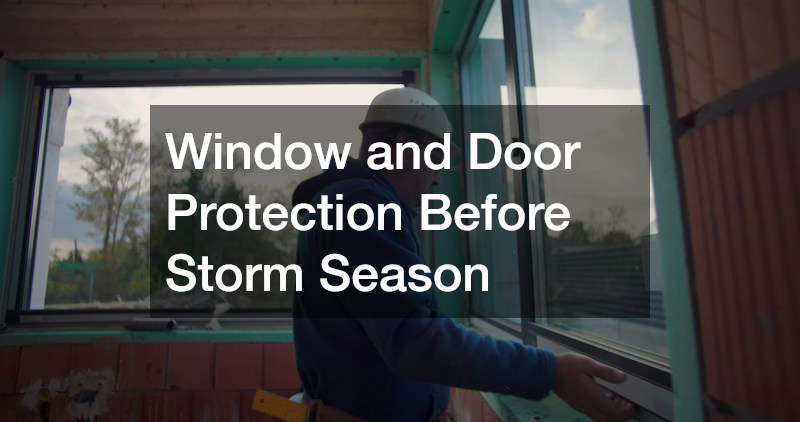
Many homeowners wait until a storm warning is already on the news before thinking about window protection, and by then options are limited and prices spike. Reaching out to hurricane shutters companies well before the season starts gives you time to compare materials, get accurate measurements, and avoid rushed installation. Shutters that are properly fitted also tend to last longer and perform better under real wind pressure than anything thrown together in a panic.
Ignoring this until a storm is imminent often means settling for plywood or whatever is left in stock. That is a reactive decision, not a protective one. Planning ahead also allows time to check local permitting requirements, which many areas enforce for exterior storm protection installed on a home.
- Cracked or warped shutter panels from previous storms
- Missing or rusted mounting hardware
- Gaps around window frames where wind-driven rain can enter
- Shutters that no longer close or latch properly
Unusual Sounds or Weak Airflow From the Cooling System
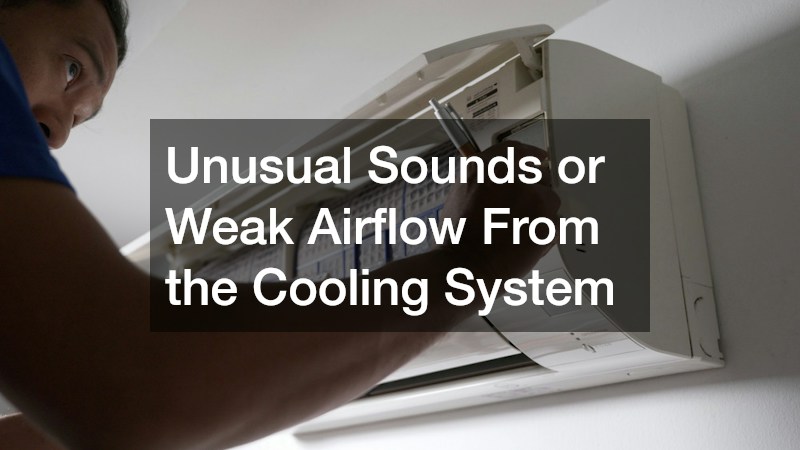
An air conditioner that suddenly sounds different, whether it is a rattle, a hiss, or a repeated clicking, is trying to tell you something. These noises often mean a part is loose, a refrigerant line has an issue, or the system is working harder than it should. Scheduling routine AC services before summer hits its peak can catch these problems while they are still minor and inexpensive to address.
Weak airflow from the vents is another sign that often gets brushed aside, especially if the house still feels somewhat cool. This can point to a clogged filter, a failing blower motor, or ductwork that has come loose. Left unaddressed, the system has to run longer and harder, which shortens its lifespan and raises energy bills in the process.
- Warm air blowing from vents that used to run cool
- A noticeable increase in the monthly energy bill with no other explanation
- Ice forming on the outdoor unit or refrigerant lines
- Rooms that cool unevenly compared to the rest of the house
Soft Spots and Loose Boards on Outdoor Living Spaces
A deck that feels slightly springy underfoot is often dismissed as normal wear, but that softness usually means moisture has started breaking down the wood fibers underneath. Left alone, this can spread to the support posts and beams, which are far more expensive to replace than a few surface boards. A qualified deck contractor can inspect the structure and tell you whether the issue is cosmetic or something more serious happening below the surface.
Rust stains around fasteners, gaps between boards that have widened over time, and railings that wiggle more than they used to are all signs worth taking seriously. These issues tend to worsen quickly once moisture finds a way into the wood grain. Addressing them early usually means replacing a handful of boards instead of rebuilding an entire section.
- Boards that flex or feel spongy when walked on
- Visible gaps or separation between deck boards
- Railings or stair posts that feel loose when pushed
- Dark staining or mold growth on the underside of the deck
Soggy Patches and Slow-Draining Septic Systems
A septic system that is starting to fail rarely announces itself with a dramatic event. Instead, homeowners notice soggy patches in the yard, slower drains throughout the house, or a faint sewage smell near the leach field. These are early indicators that the system is struggling to absorb and filter wastewater the way it should.
Addressing drain field repair at the first sign of trouble is almost always cheaper than waiting for a full system failure, which can require excavation and a complete rebuild. Overly lush, green grass in one specific area of the yard, even during dry spells, is another clue that liquid is surfacing where it should not be. Regular pumping and mindful water use can extend the life of a drain field significantly.
- Standing water or unusually soft ground near the drain field
- Slow drains that do not improve with simple cleaning
- A sewage odor outdoors, especially after rain
- Grass that grows thicker or greener over the leach field area
Weak or Noisy Performance From the Home Cooling Unit
Short cycling, where the air conditioner turns on and off more frequently than normal, is a sign that often gets ignored because the house still seems to cool eventually. This pattern puts extra strain on the compressor and can lead to a much larger repair if left unchecked. Calling for AC repair as soon as this starts happening is usually far less expensive than waiting for a full breakdown during a heat wave.
A musty smell coming from the vents can also signal moisture buildup inside the system, which left unaddressed can lead to mold growth throughout the ductwork. Pay attention to how long the system takes to reach the thermostat setting compared to a year ago. A noticeable slowdown is rarely just a coincidence.
- The system turning on and off in short, frequent bursts
- A musty or stale smell when the air conditioner runs
- Thermostat settings that no longer match the actual room temperature
- Noticeably longer run times to reach a comfortable temperature
Garage Entry Systems That Struggle to Open or Close
A garage door that hesitates, reverses unexpectedly, or makes a grinding noise partway through its cycle is showing signs of a mechanical problem, not just normal aging. These issues often trace back to worn springs, misaligned tracks, or motors nearing the end of their service life. Many homeowners wait until the door stops working entirely, which usually costs significantly more than addressing the warning signs early.
Upgrading older garage door openers can also solve problems that seem unrelated at first, such as inconsistent remote response or a door that will not fully seal at the bottom. Modern openers include safety sensors that prevent the door from closing on an obstruction, a feature many older units lack entirely. Replacing an aging opener before it fails completely also reduces the risk of being locked out of the garage at an inconvenient time.
- The door reversing direction without an obvious obstruction
- Visible fraying or stretching in the lift cables
- A noticeably slower open-and-close cycle than before
- Remote controls that require multiple attempts to work
Fading Fabric and Sagging Frames on Outdoor Awnings
An awning that has started to sag in the middle or pull away from its mounting brackets is not just a cosmetic issue. That movement usually means the frame has weakened or the fabric has stretched beyond what the structure can support evenly. A reputable awning company can often retension or repair the existing frame rather than requiring a full replacement, provided the damage is caught early.
Fading fabric, mildew spots, and small tears near the seams are also worth addressing before they spread. Once moisture gets into the stitching, the damage tends to accelerate quickly, especially in humid climates. Routine cleaning and a prompt repair call when damage first appears can add years to the life of an outdoor awning.
- Visible sagging or uneven tension across the awning fabric
- Rust or corrosion forming on the support arms
- Small tears or fraying near the seams and edges
- A frame that wobbles or shifts in moderate wind
The theme running through all of these warning signs is the same: small, affordable fixes almost always beat waiting for a full failure. Walking through your home every few months with this list in mind can help you catch problems while they are still minor and manageable. When something looks or sounds off, treat it as worth a closer look rather than something to put off until next season.