
Tasteful Ways to Enhance Your Interior’s Aesthetics

Tasteful interior design is the result of deliberate choices made with both aesthetics and longevity in mind. Rather than relying on trends or dramatic overhauls, meaningful improvements often come from refining what already exists, maintaining key elements, and planning updates with cohesion and care. This mindset encourages a more sustainable approach to design, where quality, function, and visual balance take precedence over constant change.
Well-considered interiors reflect an understanding of how a home is used day to day. Materials are chosen for their ability to age gracefully, layouts are evaluated for practicality as well as flow, and decorative elements are selected with restraint. Small, thoughtful adjustments often have a greater impact than sweeping renovations when they align with the home’s overall character.
By focusing on light, texture, proportion, and continuity, homeowners can create interiors that feel welcoming, balanced, and enduring. These principles support spaces that adapt to changing needs while maintaining a cohesive look. As rooms evolve, they retain a clear sense of identity and purpose, resulting in environments that feel intentional, comfortable, and visually consistent over time.
Select Color Palettes That Elevate Mood and Light
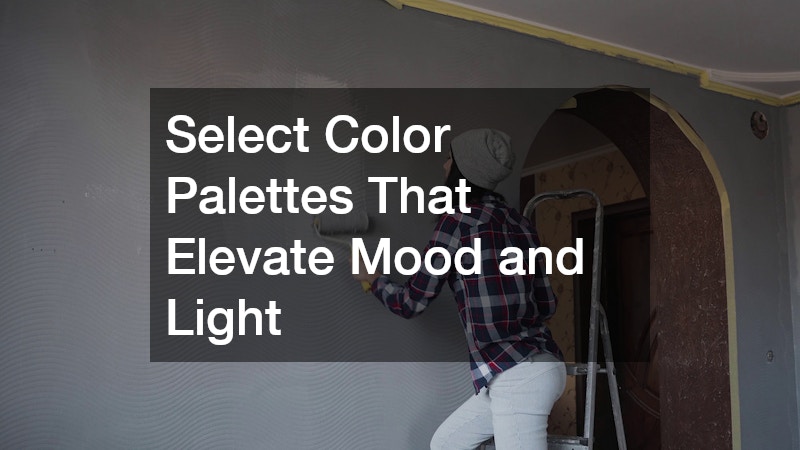
Color is one of the most influential design tools available, yet it is often chosen too quickly. A well-considered palette does more than complement furniture; it shapes how light moves through a room and how occupants emotionally respond to the space.
Before committing to a color, evaluate how natural light enters the room throughout the day. North-facing rooms often benefit from warmer tones to offset cooler light, while south-facing rooms can handle softer or cooler hues without feeling flat. Sampling paint on multiple walls helps reveal undertones that may not be obvious on a swatch.
Working with experienced paint dealers can provide access to higher-quality finishes and knowledgeable guidance on sheen, durability, and color harmony. Their insight is particularly valuable when coordinating adjacent rooms or open-concept layouts, where color transitions must feel seamless rather than abrupt.
Accent colors should be applied with restraint. Instead of bold feature walls, consider subtle contrast through trim, ceilings, or built-in shelving. These quieter applications often feel more refined and age better as styles evolve.
Design Social Spaces That Feel Relaxed Yet Curated
Living rooms, dining areas, and open gathering spaces benefit from a careful balance between structure and comfort. These rooms serve multiple purposes, from entertaining to everyday relaxation, so the design must feel polished without becoming rigid or formal. The goal is to create environments that feel welcoming and lived-in while still reflecting careful planning and visual cohesion.
Many designers aim for warm spaces that almost feel like a local cafe: approachable, layered, and quietly intentional. This atmosphere is not created through a single statement piece, but rather through thoughtful combinations of furnishings, textures, and lighting. The emphasis is on comfort supported by structure, where each element contributes to the experience without dominating the room. Effective strategies include:
-
Combining structured furniture with softer elements like throws or upholstered stools to soften sharp lines
-
Using warm lighting at multiple heights to avoid harsh overhead glare and create a relaxed ambiance
-
Mixing materials such as wood, metal, and fabric to add depth and prevent the space from feeling flat
-
Leaving negative space so the room feels breathable rather than crowded or overstyled
Avoid the temptation to fill every corner. Social spaces benefit from visual pauses that allow individual pieces to stand out, support natural movement, and encourage conversation without visual distraction.
Refresh Architectural Details Instead of Replacing Them
Original architectural elements often provide more character than modern replacements, but they may be hidden beneath years of wear, improper maintenance, or outdated finishes. Restoring these features can dramatically elevate a space while preserving its authenticity and reinforcing the home’s original design intent. Rather than removing historic details, thoughtful restoration allows them to contribute visual depth and narrative value that newer materials often lack.
Surface restoration techniques, such as sandblasting, can remove layers of paint, corrosion, or residue from wood, brick, or metal details without compromising structural integrity when performed correctly. This approach is especially effective for beams, mantels, stair railings, fireplaces, and decorative hardware that have been obscured or dulled over time. Revealing the natural texture of these materials often highlights craftsmanship that would otherwise go unnoticed.
Once restored, these elements should be integrated carefully into the broader design scheme. Neutral wall colors, restrained furnishings, and simplified layouts help prevent competition for attention. When balanced with modern lighting and updated finishes, restored architectural details become natural focal points that add warmth, permanence, and a sense of history.
Preservation, when executed with intention, often results in interiors that feel layered, refined, and genuinely timeless.
Approach Large-Scale Updates With a Cohesive Design Plan

Significant interior changes require more than a collection of individual upgrades. Without a unifying vision, even high-quality improvements can feel disjointed. A cohesive plan ensures that materials, colors, and proportions work together across the entire home.
During a house remodel, it is essential to think beyond individual rooms and consider how spaces connect visually and functionally. Flooring transitions, sightlines, and repeated finishes all contribute to a sense of continuity.
Key planning principles include:
-
Establishing a limited material palette early in the process
-
Repeating finishes or colors in subtle ways across rooms
-
Prioritizing improvements that affect daily use and flow
-
Sequencing updates to minimize visual disruption
A well-coordinated remodel does not need to be completed all at once. Even phased projects benefit from a master plan that guides decisions over time.
Improve Comfort While Maintaining Visual Consistency
Performance upgrades often focus on efficiency and comfort, but their visual impact should not be overlooked during the planning process. Enhancements that disrupt proportions, introduce bulky elements, or interfere with established sightlines can unintentionally detract from otherwise cohesive interior aesthetics. A thoughtful approach ensures that comfort improvements support, rather than undermine, the overall design.
Installing practical improvements like storm windows can significantly increase thermal performance and reduce drafts while remaining visually unobtrusive when properly selected and installed. The key is choosing options that align with existing trim profiles, window depths, and architectural styles rather than competing with them. Slim profiles, neutral finishes, and correct sizing help maintain the original character of the space while delivering measurable performance benefits.
Interior consistency is preserved by coordinating window treatments, wall colors, and nearby furnishings so that no single element feels visually isolated. Attention should also be given to hardware finishes and curtain placement, which can subtly reinforce symmetry and balance. When functional upgrades blend seamlessly into the design, they enhance daily comfort and energy efficiency without drawing attention away from the home’s overall aesthetic or design intent.
Keep Natural Light Clear and Unobstructed
Natural light plays a defining role in how interiors are perceived. Even well-designed rooms can feel dull or cramped if light is diminished by grime, streaks, or heavy obstructions.
Regular maintenance of windows ensures that light enters freely and evenly. In many cases, a residential window cleaning service provides a noticeable improvement, particularly for hard-to-reach or multi-pane windows where buildup accumulates gradually.
To maximize the effect of clean windows:
-
Use minimal or layered window treatments rather than heavy drapery
-
Keep furniture from blocking primary light sources
-
Coordinate wall finishes to reflect, not absorb, daylight
-
Address exterior obstructions that cast unnecessary shadows
Clear windows enhance color accuracy, improve views, and contribute to a sense of openness throughout the home.
Maintain Exterior Surfaces That Influence Interior Perception
Interior design does not exist in isolation. Exterior conditions directly affect how light, views, and even perceived air quality influence indoor spaces. When outdoor areas are neglected, dirt, discoloration, and buildup can block light, distort views, and subtly undermine the effectiveness of even the most carefully planned interior updates. Maintaining exterior surfaces is therefore an essential extension of interior design rather than a separate concern.
Routine exterior cleaning, including power washing, helps preserve surfaces that interact visually with the interior, such as patios, walkways, siding, decks, and window surrounds. Removing grime and organic buildup allows more natural light to pass through windows and prevents darker exterior tones from casting shadows into adjacent rooms. Clean exterior materials also make transitions between indoor and outdoor spaces feel more intentional and cohesive.
When exterior surfaces are consistently maintained, interior spaces feel brighter, fresher, and more deliberate in their presentation. This connection is especially important in rooms with large windows, sliding doors, or outdoor access points, where visual continuity reinforces a sense of openness. A well-kept exterior enhances the perceived quality of the interior and supports a unified design experience throughout the home.
Curate Wall Decor That Adds Personality Without Overcrowding
Wall decor is most effective when it feels purposeful rather than excessive. Carefully selected pieces add personality and narrative to a space without overwhelming it.
Thoughtful use of art or photography allows homeowners to express personal taste while maintaining visual balance. Scale, spacing, and framing matter as much as the artwork itself.
Best practices for wall curation include:
-
Choosing fewer, larger pieces instead of many small ones
-
Maintaining consistent framing or color themes
-
Aligning artwork with furniture placement for cohesion
-
Allowing empty wall space to enhance the overall composition
Walls should support the room’s function and mood, not distract from them. When curated with restraint, wall decor becomes an integral part of the design rather than an afterthought.
Introduce Soft Details That Add Texture and Craftsmanship
Enhance Kitchens and Bathrooms With Clean Lines and Reflective Surfaces
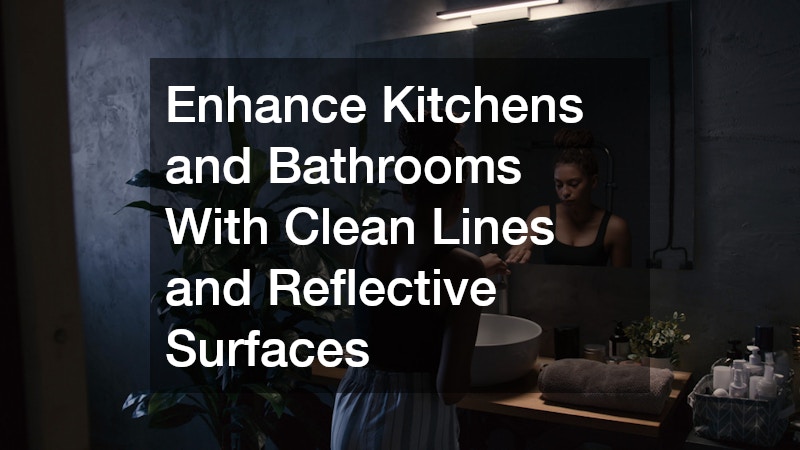
High-use spaces demand materials that balance durability with visual clarity. Kitchens and bathrooms benefit from streamlined design choices that emphasize cleanliness, proportion, and light.
Focusing on the design of transparent and reflective surfaces like shower glass can help these rooms feel more open and refined. When paired with coordinated cabinetry, hardware, and lighting, they can contribute to a cohesive and modern aesthetic.
Design strategies that support this approach include:
-
Selecting finishes with a subtle sheen rather than a heavy texture
-
Aligning hardware styles across fixtures and storage
-
Using lighting to highlight reflective materials without glare
-
Maintaining spotless surfaces to preserve visual impact
In both kitchens and bathrooms, simplicity enhances longevity. Clean lines and thoughtful material choices ensure these spaces remain functional and visually appealing over time.
Tasteful interior design is the result of deliberate choices made with both aesthetics and longevity in mind. Rather than relying on trends or dramatic overhauls, meaningful improvements often come from refining what already exists, maintaining key elements, and planning updates with cohesion and care. This approach shifts the focus from short-term visual impact to long-term livability, ensuring that design decisions remain relevant as tastes and needs change.
Homes designed with intention reflect a clear understanding of how each space functions within the larger environment. Furniture placement, material selection, and decorative accents are chosen not only for appearance, but also for durability and ease of use. Thoughtful design minimizes unnecessary replacement and encourages homeowners to invest in elements that contribute lasting value.
By focusing on light, texture, proportion, and continuity, homeowners can create interiors that feel welcoming, balanced, and enduring. Natural light is preserved to enhance openness, textures are layered to add depth without excess, and proportions are respected so rooms feel comfortable rather than crowded. These principles allow spaces to evolve naturally while retaining a clear sense of identity and purpose, resulting in interiors that feel cohesive, refined, and timeless.