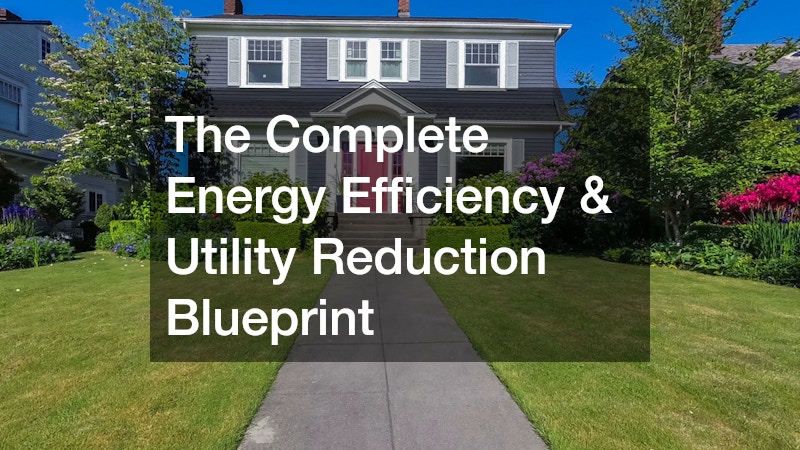
The Complete Energy Efficiency and Utility Reduction Blueprint

Every property owner eventually faces the rising cost of residential utility bills. Month after month, electricity, gas, and water meters continue to register high consumption levels, often leaving homeowners wondering where all the energy disappears. The truth is that energy loss rarely stems from a single source. Instead, utility inefficiencies occur through dozens of tiny cracks, aging systems, outdated fixtures, and neglected structural components throughout the entire building. Creating a truly efficient living space requires a broad, systematic approach that addresses everything from thermal barriers to plumbing fixtures. When homeowners treat their property as an interconnected ecosystem, the financial and environmental benefits become immediately apparent.
A comprehensive efficiency upgrade begins with understanding how heat transfers through a structure. During hot summer months, solar radiation beats down on the upper surfaces of a house, causing temperatures in uninsulated attics to soar. If the upper structure has hidden gaps, damaged shingles, or compromised decking, conditioned air quickly escapes while outdoor heat infiltrates the living space. Addressing these structural flaws early on prevents conditioned air from leaking into the atmosphere. Investing in timely roof repairs prevents air leaks while protecting the underlying insulation from moisture damage. When insulation stays dry and intact, heating and cooling equipment does not need to run continuously to maintain a comfortable temperature inside.
Reducing utility expenses is not merely about immediate comfort; it is also about long-term asset preservation and sustainable resource management. Deferred maintenance always results in compounding costs over time. Small air leaks become major thermal drains, minor plumbing drips lead to high water bills, and aging mechanical units consume vastly more electricity than modern alternatives. By taking a proactive approach to home maintenance, property owners protect their financial investment while reducing their overall environmental footprint. Building a high-performance home requires looking at every major system, evaluating current efficiency levels, and implementing targeted improvements across the entire building envelope. When every subsystem performs at its best, monthly savings accumulate naturally and consistently over the lifetime of the home.
Sealing the Thermal Envelope: Windows and Openings
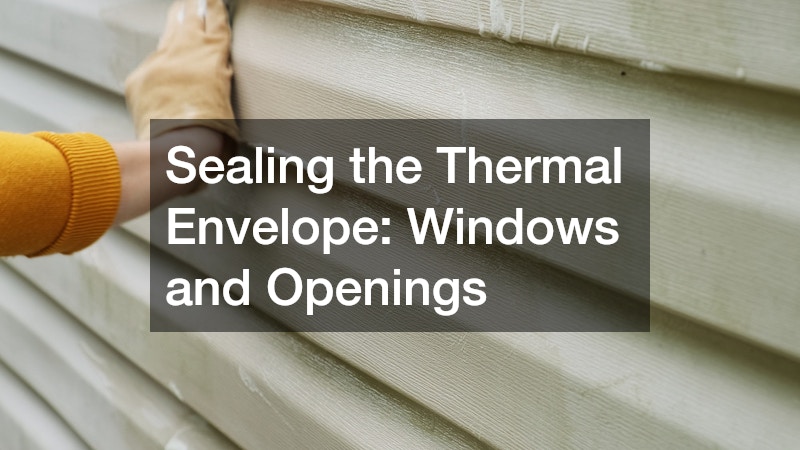
The vertical boundaries of a home represent some of the most significant areas for potential energy loss. Windows, entryways, and large access portals account for a substantial percentage of thermal transfer in residential properties. Single-pane glass or aged double-pane units with failed seals allow heat to pass freely into and out of the living environment. When glass units fail, drafty frames force heating and cooling systems to work overtime during seasonal temperature extremes. Upgrading to modern multi-pane glass with low-emissivity coatings creates a strong barrier against radiant heat while keeping indoor air controlled.
A proper window installation ensures that frame perimeters are completely sealed against air infiltration and moisture penetration. Professional installation techniques utilize advanced expanding foams, flashings, and weather-stripping materials that fill hidden voids behind trim pieces. Without exact installation standards, even the highest-rated energy-efficient glass fails to deliver expected utility savings. Eliminating drafts around glass frames keeps room temperatures uniform and prevents cold spots near exterior walls. Proper sealing also prevents outdoor moisture from seeping into wall cavities, protecting structural framing and insulation performance for decades.
Beyond standard windows, vehicle access points represent another massive area of energy exchange. Large overhead garage portals often span broad square footage along a home’s exterior footprint. Uninsulated or poorly fitted overhead panels permit cold winter air and scorching summer heat to flood adjacent rooms. Modern garage door installations incorporate high-density polyurethane insulation cores, durable perimeter seals, and heavy-duty bottom weather stripping. These structural features reduce thermal transfer into attached living spaces, keeping nearby rooms comfortable and easing the workload on primary heating equipment throughout every season.
Protecting Structural Integrity and Drainage Systems

Water management plays an understated yet critical role in maintaining home thermal performance and building longevity. When rainwater pours off a roof without proper direction, it collects around the base of the building, eroding soil and saturating surrounding ground layers. Excess moisture near structural footings damages foundation walls, causes damp crawl spaces, and increases interior humidity levels. High humidity inside a home forces cooling units to operate longer to remove atmospheric moisture before effectively dropping temperatures.
Partnering with a reliable local gutter company helps maintain effective water diversion channels that move rainfall away from building foundations. High-capacity continuous aluminum gutters and properly angled downspouts prevent water from pooling along perimeter soil lines. Keeping rainwater channeled safely away protects structural foundations, preserves ground insulation, and eliminates damp crawl spaces that drain indoor warmth during winter months. Well-maintained gutters also prevent water from spilling over fascia boards and causing hidden exterior decay that compromises the thermal barrier.
When liquid accumulates near subterranean walls over extended periods, hydrostatic pressure builds against sub-surface masonry. This pressure causes micro-cracks, shifts in concrete slabs, and moisture seepage that ruins lower-level thermal insulation. Securing specialized foundation service restores structural integrity, seals foundation cracks against water entry, and installs effective interior or exterior waterproofing barriers. Keeping foundational walls dry and stable protects basement insulation layers, stops underground cold drafts, and preserves overall heating efficiency throughout the entire living space.
Optimizing Indoor Climate and Mechanical Performance
Heating and cooling systems consume more energy than any other appliance group in a standard residential property. Over time, furnace components, air handlers, compressor coils, and duct networks suffer natural wear and tear that gradually degrades overall system efficiency. Clogged air filters, leaking duct seams, low refrigerant charges, and worn motor bearings force mechanical units to consume extra electricity to achieve target thermostat settings. Regular system tune-ups restore baseline operating efficiency and prevent costly sudden equipment breakdowns during peak weather demands.
Scheduling routine HVAC repairs ensures that mechanical components run smoothly and consume minimal fuel or electricity. Experienced technicians clean dirty coils, seal ductwork leaks, calibrate thermostats, and replace worn belts before small mechanical issues turn into major energy hogs. Well-maintained climate systems distribute air evenly across every room, eliminating hot and cold spots while reducing total run time. Keeping mechanical systems in top condition directly cuts monthly electric and gas bills while extending equipment life span considerably and improving indoor air circulation.
In addition to maintaining mechanical hardware, smart climate control habits significantly boost operational savings. Installing programmable or learning thermostats allows homeowners to adjust target temperatures automatically based on occupancy schedules. Reducing heating or cooling levels during hours when the home is empty prevents wasted energy without sacrificing personal comfort upon return. Combined with well-maintained equipment and sealed distribution ducts, intelligent controls deliver consistent comfort and lower energy costs year after year without sacrificing lifestyle quality or indoor environmental health.
Modernizing Domestic Water and Heating Systems
Domestic hot water production represents the second largest energy expense in most households, behind only space heating and cooling. Standard tank-style water heaters continuously burn fuel or draw power to keep dozens of gallons of water hot twenty-four hours a day, even when no one is using it. This constant standby energy loss adds significant cost to monthly utility bills. Transitioning to demand-based water heating technology eliminates standby losses by heating water only when taps open.
Hiring a certified tankless water heater installer guarantees that high-efficiency equipment is sized correctly for the household’s peak hot water demands. On-demand systems utilize powerful heat exchangers to warm water instantaneously as it flows through the unit. Correct gas line sizing, electrical connections, and venting setups are essential for safety and optimal efficiency. A properly installed system provides continuous hot water while cutting water heating fuel usage substantially compared to legacy storage tanks, delivering long-term savings to homeowners.
Water quality also directly impacts the efficiency and longevity of water heating and plumbing infrastructure. Hard water contains high concentrations of dissolved minerals like calcium and magnesium, which accumulate inside pipes, heating elements, and heat exchangers over time. Mineral scale acts as an insulating barrier, forcing heating elements to work harder and burn extra energy to heat water. Implementing a comprehensive water filtration system removes mineral buildup and sediment before it enters home plumbing networks. Clean, filtered water prevents scale accumulation inside water heaters, keeps appliances running smoothly, and lowers energy demands across all household fixtures.
Thermal Mass and Interior Material Selection

Floor surfaces account for a significant portion of a home’s internal surface area and play a major role in room thermal feel and comfort. Cold, uninsulated subfloors draw heat away from living areas, making rooms feel chilly even when air temperatures seem adequate. Selecting natural, high-density flooring materials provides natural thermal resistance that helps stabilize indoor room temperatures across changing seasons and reduces floor-level drafts.
Installing authentic hardwood flooring adds structural strength, natural insulation value, and long-lasting aesthetic appeal to residential interiors. Solid wood possesses natural thermal retention properties that prevent cold air from rising through subfloor assemblies during the winter months. When properly installed over high-quality moisture barriers and underlayments, wooden floors create a tight, comfortable floor surface that retains warmth and reduces foot-level drafts. Wood floors also contribute to healthy indoor air quality, making thermal control cleaner, healthier, and more efficient.
Maintaining proper humidity levels inside the home is essential for preserving wood flooring and maximizing thermal comfort. Wood expands and contracts in response to moisture changes in the air. Keeping indoor humidity within an optimal range prevents floor gapping, warping, or buckling over time. Balanced indoor humidity also makes air feel warmer in winter and cooler in summer, allowing homeowners to set thermostats at lower energy-saving levels without sacrificing personal comfort or surface durability.
Bathroom Water Conservation and Sealed Enclosures
Bathrooms represent high-use zones where water efficiency and moisture management intersect directly with household utility budgets. Daily showers use vast amounts of heated water, making fixture efficiency and enclosure design critical factors in overall home energy performance. Drafty shower areas lose heat rapidly, prompting occupants to run hotter water longer just to stay warm during cold mornings.
Upgrading to heavy tempered glass shower doors creates a tight thermal seal that traps steam and heat within the enclosure during use. Unlike flimsy vinyl curtains that allow air drafts and water splashes to escape, solid glass panels hold warmth inside the shower zone. Keeping heat contained inside the shower stall reduces the need for excessively hot water temperatures and keeps overall hot water demand under control. Sealed enclosures also prevent excess moisture from escaping into surrounding bathroom walls, protecting drywall and paint from humidity damage and mold growth.
Pairing sealed shower enclosures with low-flow fixtures amplifies water and energy savings. Modern low-flow showerheads use advanced aeration technology to deliver strong water pressure while using significantly less water per minute. Reducing total gallon consumption directly decreases the energy required by water heaters to prepare hot water. Combining efficient fixtures with insulated glass enclosures optimizes bathroom comfort while cutting monthly water and energy expenses effectively.
Whole-Home Efficiency Synergies and Long-Term Savings

Achieving true energy efficiency is an ongoing process rather than a single home improvement project. Every home feature–from structural foundations and roof structures to plumbing and mechanical systems–works together to create an efficient, comfortable living environment. Neglecting one system often undermines performance improvements made in another area. Taking a holistic, scheduled approach to maintenance ensures all home systems operate at peak efficiency and lower utility costs over time.
Seasonal inspections help property owners identify small issues before they become major thermal drains or structural problems. Checking window seals, clearing gutter channels, inspecting roof surfaces, and replacing mechanical filters twice a year maintains consistent system performance. Keeping detailed records of maintenance tasks and utility bills helps track performance gains over time and highlights areas that may require future upgrades or professional servicing. Proper upkeep preserves equipment durability and keeps energy bills consistently low.
Investing in smart, energy-efficient home improvements yields compounding returns over time through reduced utility bills, enhanced indoor comfort, and increased property value. By upgrading structural components, mechanical systems, water heaters, and interior surfaces systematically, homeowners build a high-performance living space designed for long-term sustainability. Taking proactive action today creates a more comfortable, economical, and resilient home for years to come, securing financial savings while protecting the property investment for future generations.