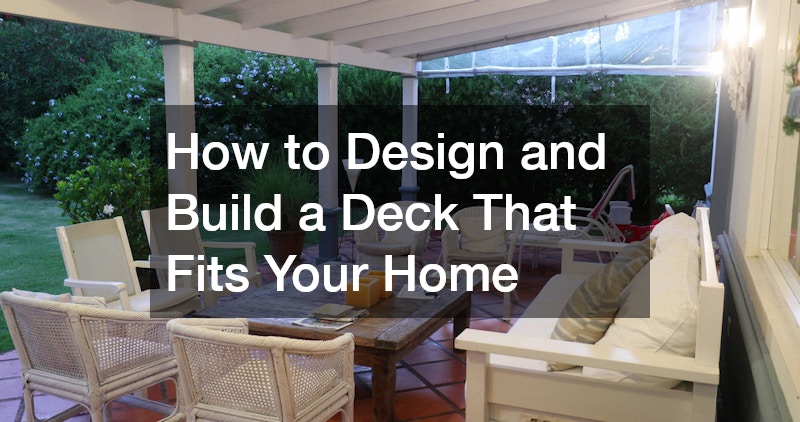
Designing and building a deck is one of the most effective ways to expand outdoor living space and improve the overall functionality of a home. A well-planned deck can serve as a place for relaxation, family gatherings, outdoor dining, or simply enjoying fresh air and natural surroundings. Because it connects the home to the outdoor environment, a deck should complement the style of the house while also supporting everyday activities. Careful planning helps ensure the deck feels like a natural extension of the home rather than an afterthought.
A successful deck project begins with understanding how the space will be used. Some homeowners want a quiet place to unwind, while others envision an entertainment area for hosting friends and family. Considering the size, layout, and features of the deck early in the design process allows homeowners to create a space that supports these goals. Elements such as seating areas, railings, shade features, and lighting can all influence how comfortable and practical the finished deck will be.
Building a deck also requires attention to structural stability and long-term durability. Weather exposure, foot traffic, and outdoor conditions can affect materials over time, so choosing the right construction approach is essential. By carefully evaluating design goals, materials, and the surrounding landscape, homeowners can build a deck that enhances both their property and their outdoor lifestyle.
Planning The Purpose Of Your Deck
Before beginning construction, it is important to define the primary purpose of the deck. Understanding how the space will be used helps guide decisions about size, layout, and features. Some decks are designed primarily for entertaining guests, while others focus on quiet relaxation or family activities. Identifying the main function of the deck allows homeowners to prioritize features such as seating areas, dining spaces, or open areas for movement.
A clear purpose also helps determine how the deck should connect with the home and surrounding yard. Decks positioned near kitchen entrances often support outdoor dining, while decks located near living spaces may function as extensions of indoor gathering areas. When the deck’s purpose aligns with the layout of the home, the outdoor space becomes easier to use and more enjoyable throughout the year.
Many homeowners explore design ideas such as custom decks when planning a space that reflects their lifestyle. Custom designs allow for unique layouts, built-in seating, and decorative elements that match the architecture of the home. By carefully defining the purpose of the deck before construction begins, homeowners can create a design that supports both functionality and personal style.
Evaluating Your Outdoor Space
Evaluating the outdoor environment is an important step before designing and building a deck. The size and shape of the yard, the slope of the ground, and the placement of existing landscaping all influence where a deck can be built. Understanding these factors helps homeowners determine the best location for a deck while ensuring it integrates naturally with the surrounding space.
Sunlight exposure and natural shade are also important considerations. Decks positioned in areas with strong afternoon sun may benefit from shade structures, while areas surrounded by trees may already offer natural coverage. Evaluating these conditions early helps homeowners plan a deck that remains comfortable throughout different times of the day.
In some cases, homeowners may consult a tree trimming service when preparing the outdoor area for a new deck. Trimming or removing branches can create additional space and improve sunlight conditions around the deck area. Addressing these landscape factors before construction begins helps ensure the deck fits smoothly within the existing outdoor environment while maintaining a balanced and visually appealing yard.
Choosing The Right Deck Materials
Selecting the right materials is an important step in building a deck that lasts. Deck materials must withstand outdoor conditions such as moisture, sunlight, and temperature changes while maintaining their strength and appearance. Homeowners often consider options like treated wood, composite boards, or hardwood decking when designing their outdoor space. Each material offers different benefits related to durability, maintenance, and overall design style.
Reliable access to quality materials also supports a smoother building process. Some homeowners coordinate building supply delivery to ensure lumber, fasteners, and other materials arrive on schedule. Proper planning for material selection and delivery helps keep construction organized while supporting a durable and attractive finished deck.
Designing A Functional Deck Layout
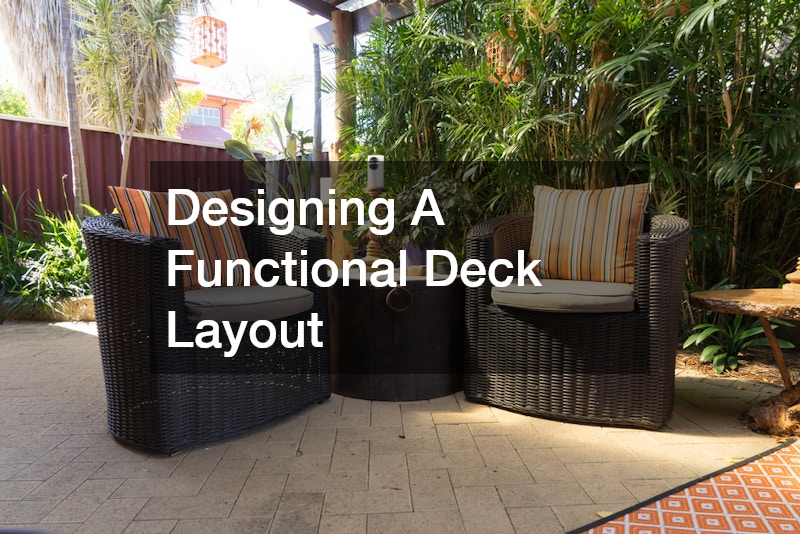
A functional layout helps ensure the deck supports everyday activities and comfortable movement. The arrangement of seating areas, walkways, and open spaces should allow people to move freely without crowding the space. Decks designed with thoughtful layouts can accommodate dining areas, lounge seating, or outdoor cooking zones while maintaining a balanced appearance.
When planning the layout, homeowners may collaborate with a deck builder who understands how to design structures that align with both safety requirements and aesthetic goals. Professional insight can help determine the best deck dimensions, placement, and structural support needed to create a deck that fits the home’s architecture and outdoor environment.
Incorporating Railings And Safety Features
Railings and safety features are essential for maintaining a secure and comfortable deck environment. Proper railings help prevent falls and provide stability when people move around the deck. In addition to safety, railings contribute to the visual character of the space and can complement the overall design of the home.
Some homeowners incorporate design elements inspired by vinyl fencing when selecting railing styles that offer durability and low maintenance. Materials designed for outdoor use can withstand weather exposure while maintaining a clean appearance. Combining safety features with thoughtful design helps create a deck that remains secure, functional, and visually appealing.
Selecting Comfortable Seating Areas
Comfortable seating is an important feature of any well-designed deck because it encourages people to spend more time enjoying the outdoor space. Seating areas provide places to relax, gather with family, or entertain guests while taking advantage of fresh air and scenic surroundings. When planning seating for a deck, homeowners should consider how many people will typically use the space and what types of activities will occur there. Some decks benefit from large dining tables for outdoor meals, while others focus on lounge seating designed for relaxation and conversation.
Strategically placed seating can also help define different zones within the deck layout. For example, one area might include a dining table while another features cushioned chairs or built-in benches for quiet relaxation. These designated spaces make the deck feel more organized and comfortable for a variety of activities. Thoughtful placement also allows homeowners to maximize views and create inviting areas that naturally encourage gathering.
Many homeowners work with a local deck building service when designing seating areas that complement the overall structure of the deck. These professionals can help incorporate built-in benches, plan seating layouts, and ensure that the deck’s structure supports heavier furniture or custom seating features. With careful planning, seating areas can transform a deck into a welcoming outdoor space that supports both relaxation and entertainment.
Adding Shade And Weather Protection
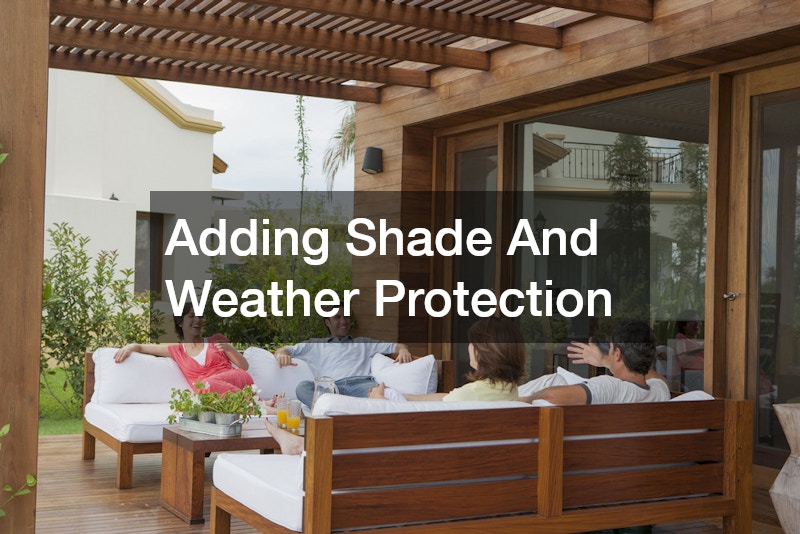
Shade and weather protection are essential considerations when designing a deck that will be used regularly. Direct sunlight, rain, and changing weather conditions can affect how comfortable the space feels throughout the day. By incorporating shade structures and protective elements, homeowners can create a deck that remains enjoyable during a variety of weather conditions. Options such as pergolas, retractable awnings, umbrellas, or covered roof extensions can provide relief from intense sun while maintaining an open outdoor atmosphere.
Planning for weather protection also helps extend the lifespan of deck materials and outdoor furniture. Surfaces that receive constant exposure to sunlight and moisture may deteriorate more quickly without proper protection. Shade structures can help reduce heat buildup while protecting seating areas and decorative elements from excessive wear. These features allow homeowners to use the deck more consistently throughout the year.
In some cases, homeowners consult a local roofer when adding covered features that attach directly to the home’s roofline. Professionals can help design structures that blend with the existing roof while ensuring proper drainage and stability. By combining shade features with sound construction, homeowners can create a deck that remains comfortable and functional even when weather conditions change.
Integrating Lighting And Electrical Features
Lighting plays an important role in making a deck usable and inviting after sunset. Proper lighting allows homeowners and guests to move safely around the space while creating a comfortable atmosphere for evening gatherings. Deck lighting can include overhead fixtures, step lights, railing lights, or pathway lighting that improves visibility and highlights key areas of the structure. These features not only improve safety but also contribute to the overall visual appeal of the outdoor environment.
Electrical features can also expand how the deck is used. Access to power outlets allows homeowners to incorporate outdoor speakers, cooking equipment, or decorative lighting that enhances the overall experience. Planning electrical features early in the design process helps ensure wiring is safely installed and protected from weather exposure.
Homeowners often work with an electrical company when installing deck lighting and electrical components. Professionals can help determine the safest way to route wiring, install weather-resistant outlets, and ensure that lighting fixtures meet outdoor safety standards. With proper planning and professional installation, lighting and electrical features can help transform a deck into a comfortable and functional outdoor living space that remains enjoyable both day and night.
Enhancing Landscaping Around The Deck
Landscaping plays an important role in helping a deck blend naturally with the surrounding yard. Thoughtfully planned landscaping can soften the edges of the structure while creating a more inviting outdoor environment. Features such as garden beds, decorative stone, and pathways help frame the deck and guide movement through the yard. These elements add visual interest while making the space feel more connected to the natural landscape.
In addition to aesthetics, landscaping can improve how the deck functions within the outdoor space. Plants, shrubs, and small trees can provide privacy, shade, and natural boundaries around the deck. Careful placement of these features can also help direct views and create a peaceful atmosphere that encourages relaxation and outdoor enjoyment.
Some homeowners choose to extend their outdoor living area by incorporating nearby features such as concrete patios. These surfaces can provide additional seating or gathering space while complementing the deck’s design. By combining deck construction with thoughtful landscaping and surrounding features, homeowners can create a cohesive outdoor area that supports both relaxation and entertaining.
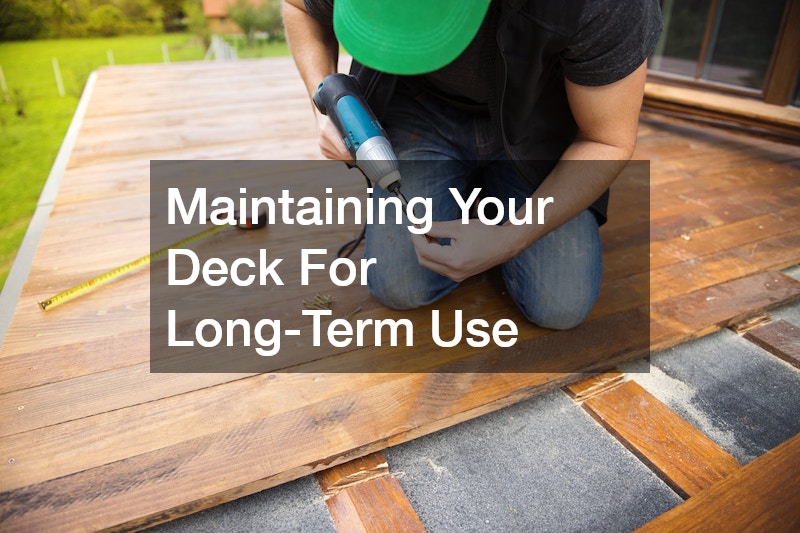
Maintaining Your Deck For Long-Term Use
Once a deck is built, regular maintenance is essential for preserving its appearance and structural integrity. Outdoor structures are exposed to weather, sunlight, and moisture throughout the year, which can gradually affect materials if they are not properly maintained. Routine cleaning, sealing, and inspections help protect the deck’s surfaces while identifying potential issues before they become more serious.
Maintenance also includes checking fasteners, railings, and support posts to confirm that the structure remains stable and safe for everyday use. Addressing minor wear early can prevent more extensive repairs later. Homeowners should also pay attention to areas where moisture or pests could affect the wood or structural components.
Preventive services such as termite control may also help protect certain types of decking materials from damage. Insects can weaken wood over time if they are not properly managed. By combining routine inspections with protective treatments when necessary, homeowners can extend the life of their deck while maintaining a safe and attractive outdoor space.
Designing and building a deck that fits your home requires thoughtful planning, quality materials, and attention to both style and functionality. From determining the purpose of the deck to selecting materials, lighting, and seating arrangements, each decision contributes to how comfortable and useful the finished space will be. A well-designed deck should complement the home’s architecture while providing a welcoming area for relaxation, dining, and entertaining.
Considering structural stability, weather protection, and long-term maintenance also plays an important role in creating a deck that lasts. Proper construction and routine care help ensure the deck remains safe and visually appealing through changing seasons. When these elements are carefully planned, homeowners can enjoy a durable outdoor structure that enhances their property for many years.
Ultimately, a thoughtfully designed deck can transform how homeowners experience their outdoor space. By combining practical features with comfortable design elements, the deck becomes an extension of the home where people can gather, relax, and enjoy time outdoors.